

Is Your Roof or Chimney Causing the Leak? How to Tell the Difference
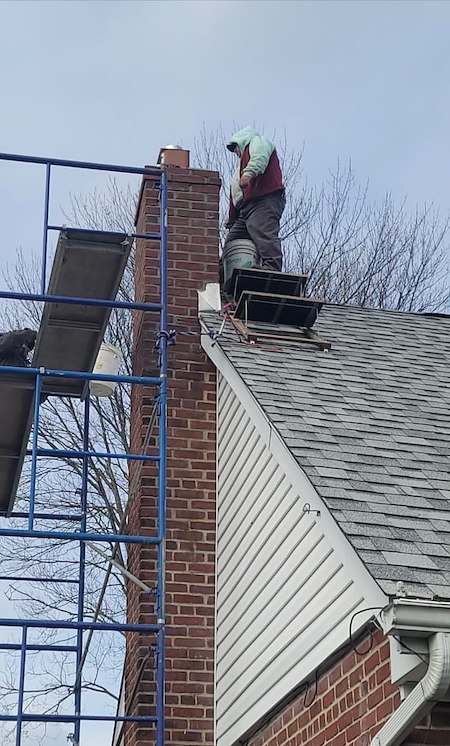
If you’re seeing stains on the ceiling or water near the fireplace, the first question is simple: is it a roof problem or a chimney problem? Below, we’ll break down the most reliable signs, local weather factors in Ridgewood, NY, and the steps pros use to trace the true source so you can move forward with confident chimney repair in your home.
Homes in Ridgewood, Glendale, Maspeth, and Middle Village deal with coastal storms, strong winds, and freeze–thaw cycles that stress masonry and shingles. Knowing what each type of leak looks like helps you act fast and protect your living space.
Why Leaks Around Chimneys Happen
Chimneys poke through the roof, so they need tight layers of metals and sealants to keep water out. When those layers age or shift, water sneaks in at joints and seams.
- Freeze–thaw cycles open tiny cracks in mortar, crowns, and bricks.
- High winds are common along the Queens–Brooklyn border, lifting shingles and flashing.
- Older rowhouses may have parapets and party walls that trap wind-driven rain.
Never ignore brown ceiling rings near your chimney; they often mean moisture has been entering for more than one storm.
Chimney Leak Clues You Can Spot Indoors
Chimney leaks usually leave a pattern that starts close to the fireplace or the wall that hides the chimney chase. You may notice stains that seem to outline the chimney’s path from the attic down to the living room.
- Water or flaky paint on the wall above the mantel or on the ceiling corner nearest the chimney.
- Musty smell or crumbly plaster localized around the chimney breast.
- Efflorescence (white powder) on exposed brick or a damp hearth after rain.
If you’ve searched for “chimney flashing repair near Ridgewood, NY,” these are the symptoms that usually drive that search. Chimney-specific leaks also show up when the rain is light, but the wind is strong, pushing water sideways into gaps at step flashing or counterflashing.
Roof Leak Signs that Point Away From the Chimney
Roof leaks tend to appear farther from the fireplace and more randomly across ceilings or down walls. The water path often follows rafters, then drips at a distance from where it got in.
Look for stains below roof penetrations like vents and skylights or in broad patches under large shingle fields. If a recent windstorm tore shingles on the front slope facing Forest Avenue or Fresh Pond Road, a wider ceiling stain may be roofing-related rather than chimney-related.
The Role Of Flashing, Counterflashing, and Crowns
At the chimney, sheet metal step flashing tucks under shingles to move water downhill. Counterflashing locks into the mortar joints and overlaps the step flashing so water can’t back up behind it. The chimney crown is the sloped cap at the top that sheds water away from the flue and brick.
When counterflashing pulls loose or the crown cracks, even a small opening can feed steady drips. Masonry pores then absorb water, and during cold snaps, that moisture expands, widening cracks and repeating the cycle.
How Pros Pinpoint the Source Without Guesswork
Experienced technicians use a systematic approach so you don’t waste money chasing the wrong fix. First, they map interior stains, then inspect the exterior layers in order of most likely failure points.
They’ll check shingle condition, step flashing alignment, counterflashing integrity, mortar joints, the crown, and the flue cap. Tracing tools and controlled water testing isolate one area at a time so the real entry point becomes obvious.
Weather and Home Styles in Queens That Influence Leaks
Queens weather matters. Nor’easters can drive rain horizontally along the ridge, which exposes weak spots at chimneys, valleys, and ridge vents. Long, soaking rains reveal hairline masonry cracks, while short squalls tend to expose loose flashing.
Many Ridgewood homes are attached or semi-attached brick with low- to medium-pitch roofs. That means water can pool behind a chimney on the upslope side if the cricket is undersized or missing. On taller, older chimneys with terracotta flues, thermal movement can open gaps at the crown season to season.
Chimney Leak vs. Roof Leak: Quick Visual Comparisons
Use this side-by-side guide to understand what pros look for when they diagnose water issues:
- Chimney-centered patterns: rings or streaks that follow the chimney chase, dampness near the mantel, or white powder on the brick.
- Roof-centered patterns: wide stains under large shingle areas, drips after shingles blew off, or issues near vents and skylights.
- Wind-driven rain clues: leaks during sideways rain, even when storms are light, can point to flashing or counterflashing gaps.
What About Chimney Masonry and “Hidden” Moisture?
Masonry can soak up water like a sponge and release it slowly into your home. That’s why leaks sometimes appear a day after the storm passes. In older Ridgewood and Maspeth townhouses, decades of minor crown and mortar wear can add up, and attic insulation can hide wet sheathing until stains appear below.
If you’re wondering about the cost of chimney masonry repair in Queens, it varies by the depth of damage, access, and materials. The right fix follows a proper inspection so you’re addressing the true cause, not just the symptoms.
Common Repairs and Why Speed Matters
Typical solutions focus on sealing the system at its weak points. Pros may reset or replace step flashing, re-bed counterflashing into mortar, rebuild deteriorated crown sections, repair cracked joints, or replace a failing chimney cap.
Delaying repairs invites mold, wood rot, and more interior damage, especially when storms stack up week after week. Fast action limits collateral repairs and keeps your home healthier.
Local Insight: Ridgewood’s Rowhouses and Party Walls
Rowhouses share walls, which can channel water in surprising ways. A leak that starts at your neighbor’s side can show up along your shared party wall. That’s another reason a trained eye is essential for accurate diagnosis and a targeted repair plan.
Want more practical guidance? Browse our latest chimney tips to see how pros think through real-world moisture problems across Queens.
Who Should You Call First?
If your stains cluster around the fireplace, start with a chimney specialist who can coordinate with roofing as needed. If the damage is widespread away from the chimney, a roofing technician may lead the inspection and loop in masonry support if they find flashing or brick issues.
Either way, working with a single, trusted team reduces guesswork and keeps the fix coordinated. As a local chimney and roofing contractor, we streamline inspection and repair so you can get back to normal faster.
Stop The Drip Before It Spreads
Think the leak might be chimney-related, or not sure where it starts? Call Grandstone at 718-717-1371 and we’ll schedule a thorough inspection and recommend the right fix. If your shingles or flashing took a beating in a recent storm, talk with our team about fast, targeted roof repair that protects your home before the next round of rain.
