

Flat Roof Leak Repair in Bayside NY: Solving Hidden Ponding Water Issues on Queens Residential Extensions
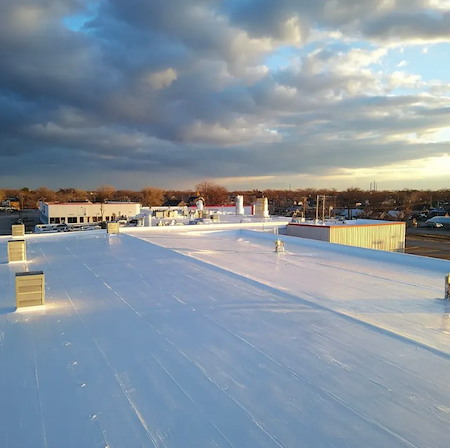
Rear extensions and porch-to-room conversions are part of Bayside’s charm, but they also create tricky flat roof details that love to trap water. If you keep patching a leak and it returns after every heavy rain, the real culprit is often invisible sagging that holds water in place. At Grandstone, our process focuses on drainage physics first. When needed, our flat roofing team uses laser-level mapping to find the low point that a standard visual check can miss.
Why Bayside Extensions Pond Water
Many Bayside homes started as capes or colonials, then grew with rear or side additions. Over time, slight framing shifts, reroof overlays, and heavy snow loads can nudge those additions out of level. That creates permanent birdbaths that don’t dry between storms. In neighborhoods like Bay Terrace, Bayside Hills, and Oakland Gardens, we also see parapet caps and scuppers set a little too high, so shallow puddles linger after every nor’easter.
- Undersized or over-spanned joists that deflect under snow and ponded water
- Multiple roof layers that add weight and push the deck down between beams
- HVAC curbs, skylights, or old chimney bases that interrupt natural slope
- High scuppers or undersized drains that let water sit instead of move
- Perimeter blocking or parapet repairs that unintentionally dam water
Patches over low spots only hide the problem. If water still sits there, the membrane keeps aging in a bath of sun-heated water and debris. The result is soft seams, algae, and leaks that return in the same corner every few months.
How We Diagnose Hidden Sagging On Flat Roofs
Our inspection looks quiet from the sidewalk, but it is very precise on the roof. We set a self-leveling laser and take a tight grid of readings across the deck. That gives us a contour map so we can see where water wants to go. We note slope in inches-per-foot and flag any negative or dead-flat zones. Then we correlate those low points with seams, penetrations, and interior leak marks.
When needed, we perform controlled water testing to confirm the travel path. On older extensions in Queens, we may take a small core to verify insulation type and moisture content. This is not guesswork. It is a measured plan that tells us whether tapered insulation alone can fix the pond, or if the structure under the deck needs help through sistering.
Never walk a ponding roof right after rainfall. Wet membranes are slick and unpredictable. Our crews rope off work areas and use proper fall protection so we can diagnose safely and accurately.
Real-World Example From A Bayside Residential Extension
A typical call starts with staining along the kitchen ceiling at the rear of the house. The roof looks fine at first glance. But our laser readings show a shallow basin at the left rear corner, 15 feet from the door and 3 feet off the parapet. The lowest line sits right over a spliced joist where an older beam meets the newer addition. The scupper is set a bit high, so after storms, a half inch of water lingers all week. The membrane isn’t torn. It is just working as a bowl.
Once we map that basin, we plot a fix that restores positive slope to the scupper or center drain. Sometimes that means a tapered package above the deck. Other times the sag is too deep for foam alone and we plan a structural repair below. If other issues pop up during our assessment, we coordinate with our broader roofing services team so the entire assembly works together, not just the surface layer.
Fixing The Cause: Slope And Structure Solutions In Queens
Tapered Insulation Systems For Positive Drainage
Tapered insulation builds reliable slope without tearing into framing. After we laser-map the deck, we design a panel layout that lifts only where needed and directs water to the nearest working outlet. This approach keeps your roof lines clean and preserves curb height and flashing integrity. We set the goal to a steady positive pitch so water moves off the roof within hours, not days.
Structural Joist Sistering When The Deck Has Dropped
When the laser shows a deep sag over one span or a seam between old and new framing, we recommend sistering. By fastening new joists to the existing members, we raise the low area and spread load more evenly. That reduces flex so the slope you paid for stays put season after season. Our crews coordinate interior protection and clean staging so your living space stays safe while we strengthen the structure.
Drain And Scupper Corrections
Good slope needs the right destination. We evaluate drain height, basket condition, and scupper openings. If a scupper sits too high, even perfect taper will leave a puddle. We rework the outlet and flashing so the water path stays clear. Where safe to do so, we also lower or reposition drains to match the new slope direction.
Seams, Flashings, And Penetrations
Ponding loves to find a weakness near chimneys, HVAC lines, and skylight curbs. After slope and structure are corrected, we renew flashings so edges stay tight. If you have an older masonry stack near your extension, pairing the roof work with seasonal chimney maintenance tips can prevent water from tracking under the cap or along the counterflashing.
What This Process Looks Like For Homeowners
- Detailed roof assessment with laser-level contour map and photos
- Clear plan that targets causes, not just symptoms, with material options
- Protection of landscaping and walkways, tidy staging, and daily cleanup
- Final walkthrough so you know how water will leave the roof after each storm
Standing water shortens membrane life and can void some manufacturer warranties. By correcting slope and structure, you protect the roof surface you already paid for. You also reduce the hidden weight that sits on joists after every storm, which is especially helpful during freeze-thaw cycles on the North Shore.
Why Quick Patches Fail On Bayside Flat Roofs
Brush-on coatings and peel-and-stick patches look like a win on day one. Then the sun bakes that pond. Water expands and contracts with temperature swings. Adhesives soften. Seams lift where the low spot flexes under weight. The leak returns in the same shadowed circle you can see after every rain. Fixing the low spot breaks that cycle. It is the only reliable path to a dry ceiling.
Our Method At Grandstone: Diagnose First, Then Design The Fix
Every roof we see in Bayside is a little different. Some are short rear dormers. Others are full-width extensions over old porches. Our method is the same. We map the deck with a laser, verify drains and scuppers, and check transitions to the main house. Then we design the right mix of tapered insulation and structural sistering so water leaves the roof quickly. We keep you informed with photos and simple diagrams so you can see what we see and why the plan will work.
If you are comparing options, look for a contractor who talks about slope in inches-per-foot, not just “sealing it up.” Ask how they locate the exact low point and how they will keep the fix stable through winter loads. If you want a starting point, visit our page on flat roofing to see how a drainage-first plan keeps leaks from coming back.
Homeowners often ask when to schedule the work. Summer is popular, but the right time is the first clear window after you notice repeated ponding. Schedule repairs before the fall storm season if you can. That timing gives your new slope a dry run before heavier weather moves through Queens.
Your Next Step To End Ponding And Leaks
If your ceiling stain keeps growing or a corner of the roof stays wet days after rain, it is time to address the cause. Start with a short call to Grandstone at 718-717-1371. For a helpful overview of our approach to drainage, you can also read more about flat roof leak repair in Bayside NY right from our home base. When you are ready for a lasting solution, we will measure the deck, map the low spots, and design the fix that sends water to the drain, not your kitchen ceiling.
Ready to solve it for good? Our team will assess your roof and provide a precise plan that focuses on slope, structure, and clean water pathways. Start here with our service overview for flat roofing in Queens, and let’s make ponding water a thing of the past.
